Glare arrives on a schedule
West glass is unusable for two hours every afternoon unless something covers it. On a timeclock tied to real sunset, the shades are already down before the glare arrives.
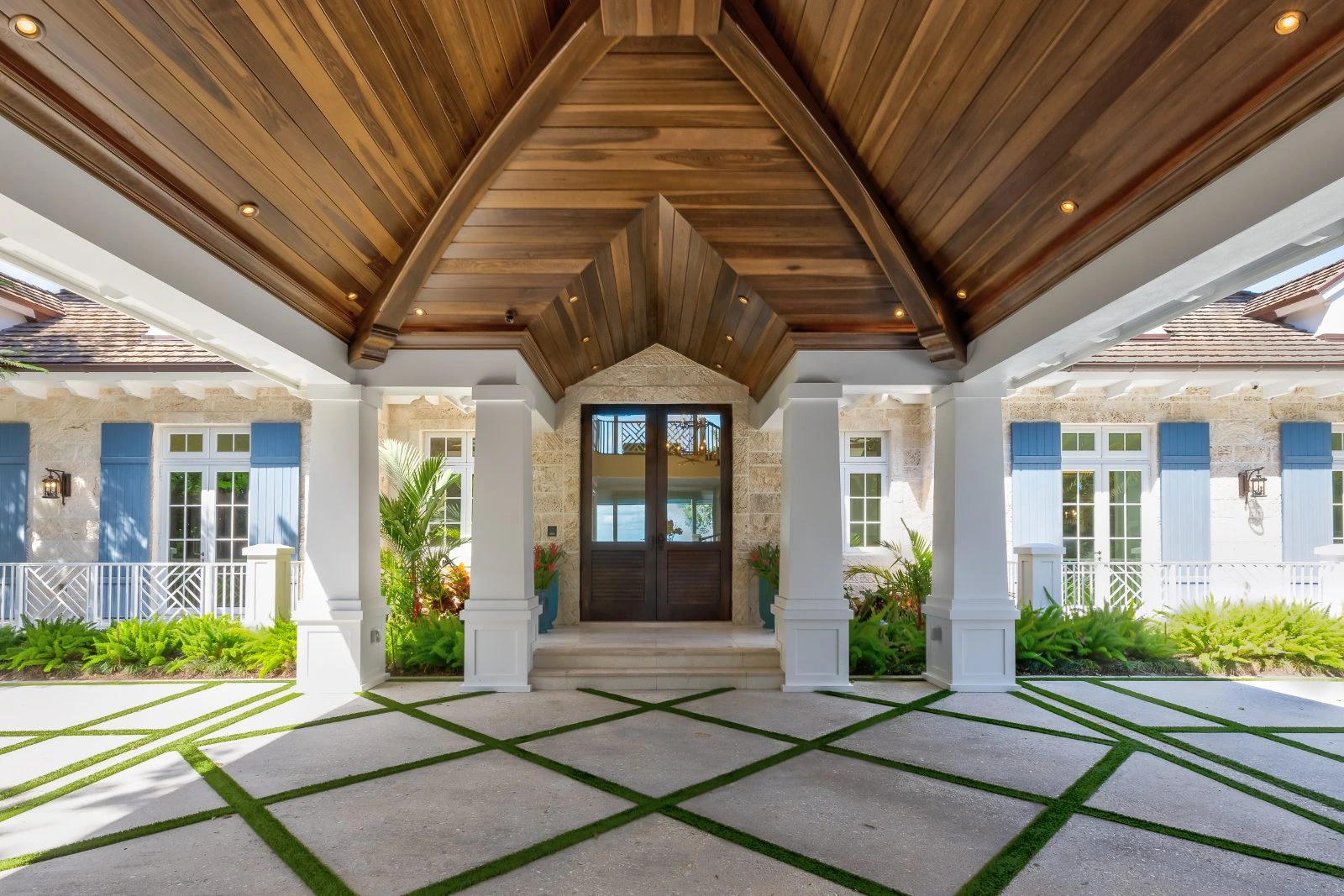
Shade & Privacy
Every opening on one system, moving quietly and together, so the glare is gone before anyone notices it was coming.
TRY IT NOW
One System
Roller shades in the pocketed openings, drapery track where the room asks for fabric, and Palladiom rollers where there is no pocket to hide in. Bedrooms carry a blackout roller behind the sheer. Every one runs on Lutron Sivoia QS, aligns to within an eighth of an inch across a wall of glass, and moves at a speed you have to watch for to notice.
Why Motorized Shades
West glass is unusable for two hours every afternoon unless something covers it. On a timeclock tied to real sunset, the shades are already down before the glare arrives.
Solar heat gain through uncovered glass is the largest cooling load in a house like this. Closing the west and south elevations during peak sun measurably cuts the load.
A one-percent sheer reads as opaque from outside in daylight and stays transparent from inside. You keep the view and lose the audience.
Aligned hems across a wall of glass, matched speed, and no motor noise in a quiet room. Manual shades never line up, and everyone notices.
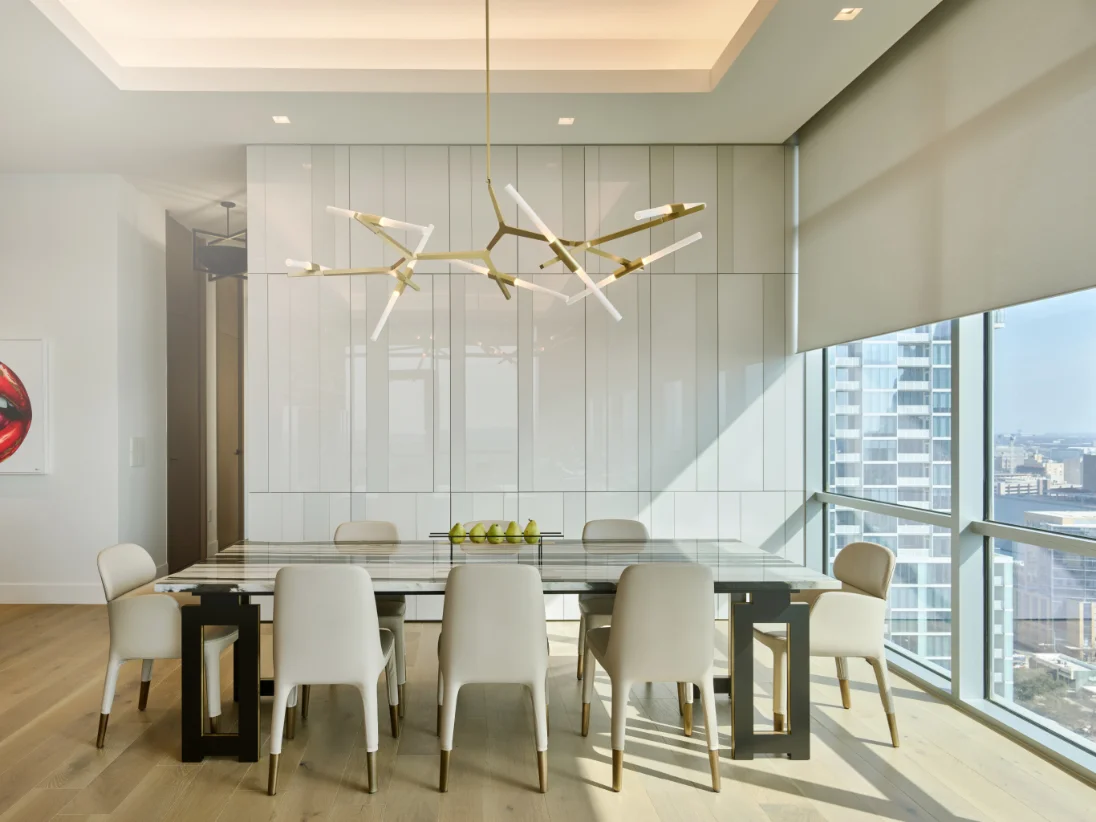
A fabric roller on a concealed tube, running in a pocket built into the ceiling or the head of the window. When it is up, the opening reads as glass.
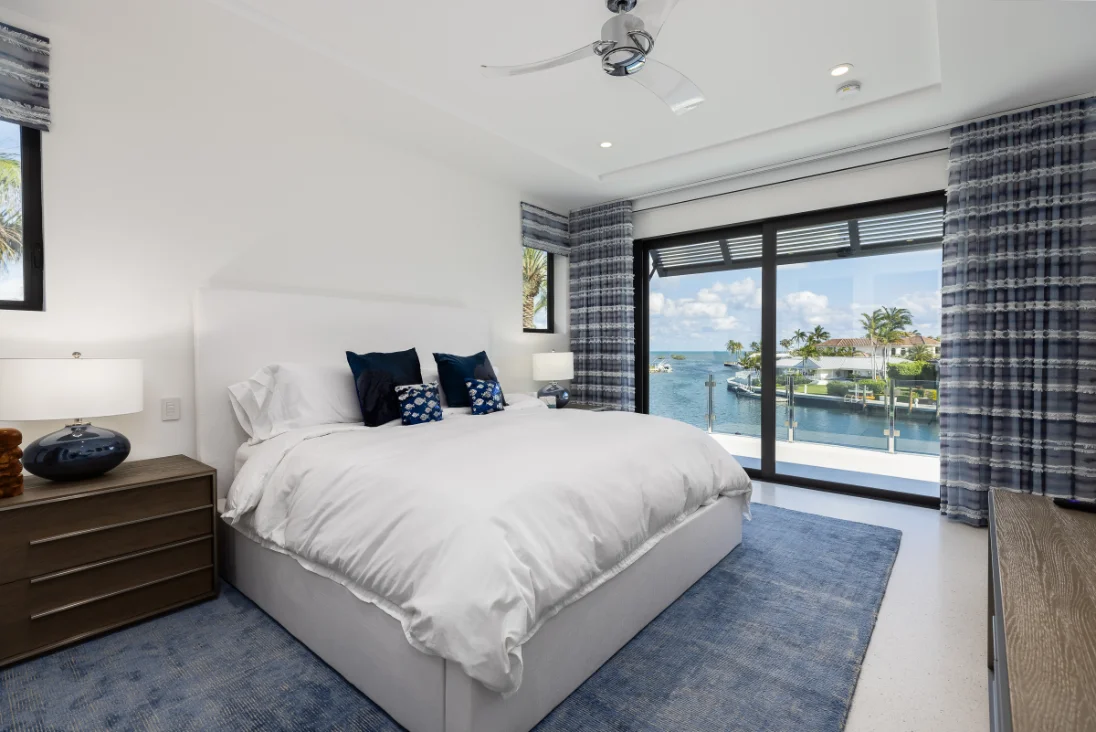
A motorized track carrying ripplefold or pinch-pleat drapery. It brings texture and acoustic softness a roller cannot, and it is the right answer where the room asks for fabric.
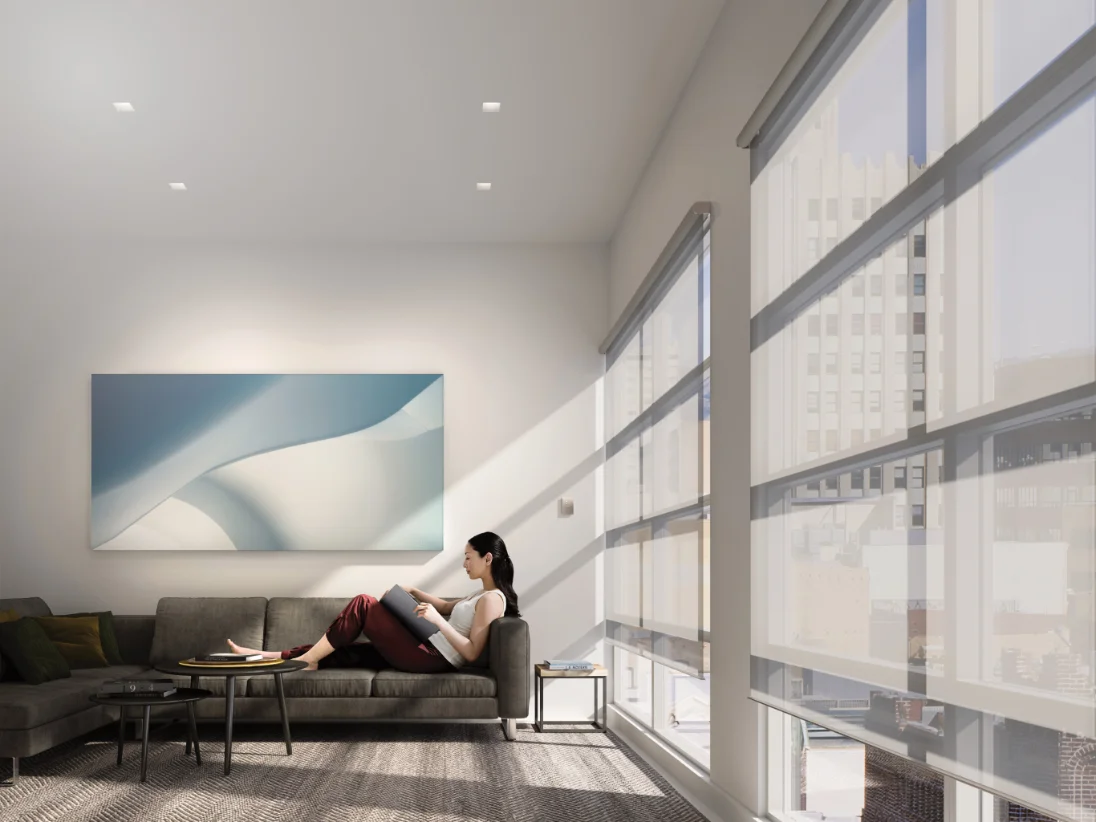
An exposed roller engineered to be seen: a machined bracket, a clean fabric edge, and no fascia. We specify it where the ceiling is already built, or where the hardware is meant to be part of the room.
Fabric & Openness
A one-percent sheer holds the view and kills the glare. The tightest weave, for the west and south glass that takes the worst of the sun.
The middle ground: real glare control that still reads light in the room. A safe default across most elevations of the house.
A five keeps the water visible and reads lighter in the room. For the views you never want to lose, where privacy matters less.
Swatch Library
Every fabric Lutron offers on a roller shade, live from their catalogue. Filter by type and family, search by name or code, and mark the ones you want to see in person, and we will pull those samples for your site visit.
Nothing matches that search in this family. Try clearing the search or picking another family.
Swatch images stream live from Lutron’s catalogue, so this stays current as fabrics are added and retired. Screen colour is indicative only — quote the fabric code when you write to us.
The Invisible Detail
Pocket dimensions, blocking, power, and access are coordinated with the architect and the millworker while the ceilings are still on paper. Every dimension goes into the drawing set, not into a conversation on site.
How We Work
Every choice begins with how the room should feel in use. Immersion, comfort, and focus come first, and the technology is shaped around that experience rather than the other way around.
Equipment, acoustics, and wiring are planned together with the architecture, not added on top of it, so the finished space reads as one considered environment instead of a room full of devices.
Power, immersion, and visual impact matter, but so do calm interfaces, clean detailing, and long-term usability.
Behind the walls, a properly engineered foundation of power, networking, and signal management keeps performance consistent and makes future upgrades straightforward.
The relationship continues after installation, with monitoring, refinement, and responsive service that keep the system performing exactly as intended for years.
Visit the Showroom
Both showrooms carry working Lutron Sivoia QS shades on glass, so you can see what a one-percent sheer does to a view against what a five does, at the hour that matters to you. Bring the window schedule and we will mark up the pockets while you are there.
Large expanses of glass invite daylight in. Intelligent shading manages heat and glare without closing the home off from its surroundings.
As daylight changes, shades respond to maintain privacy while preserving the openness that defines waterfront living.
Pocket details, window treatments, and control strategies are coordinated early so shading feels like part of the design not an addition to it.
Whether you're home, away, or arriving for the season, automated shading quietly responds to changing light, making the home more comfortable without asking for attention.
Control the Light Properly
Whether you are planning a new luxury residence, refining an existing home, or coordinating a design-led project with multiple stakeholders, Innovative can help define the right shading strategy from the beginning.


